
Learn more?
Immuno-contraception project
A study for the ethical management of wildlife, without population control culling.
What is it about?
A three-year pilot study will be launched in 2027 in the Canton of Geneva.
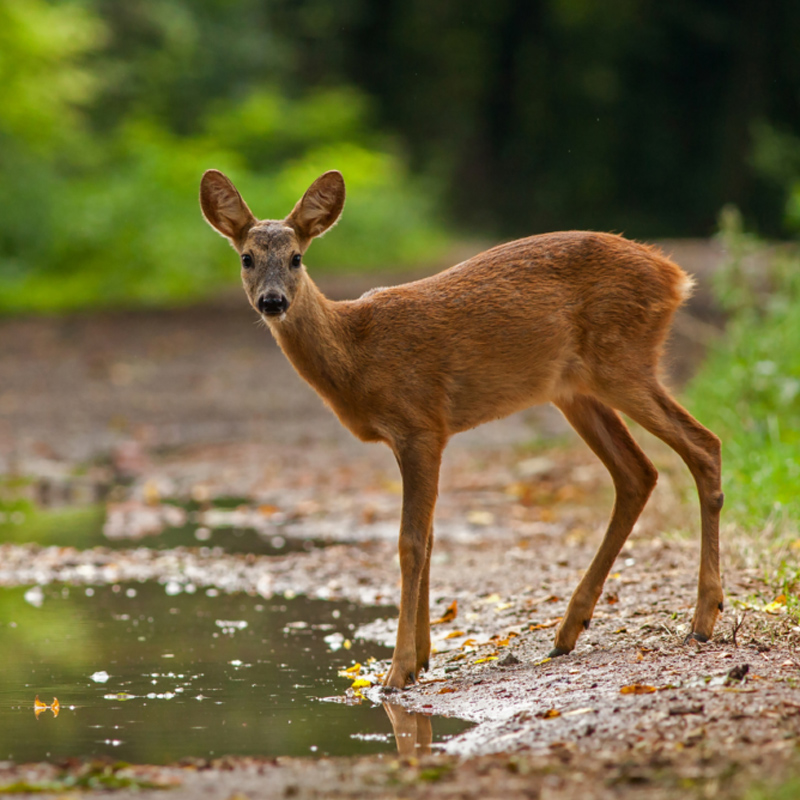
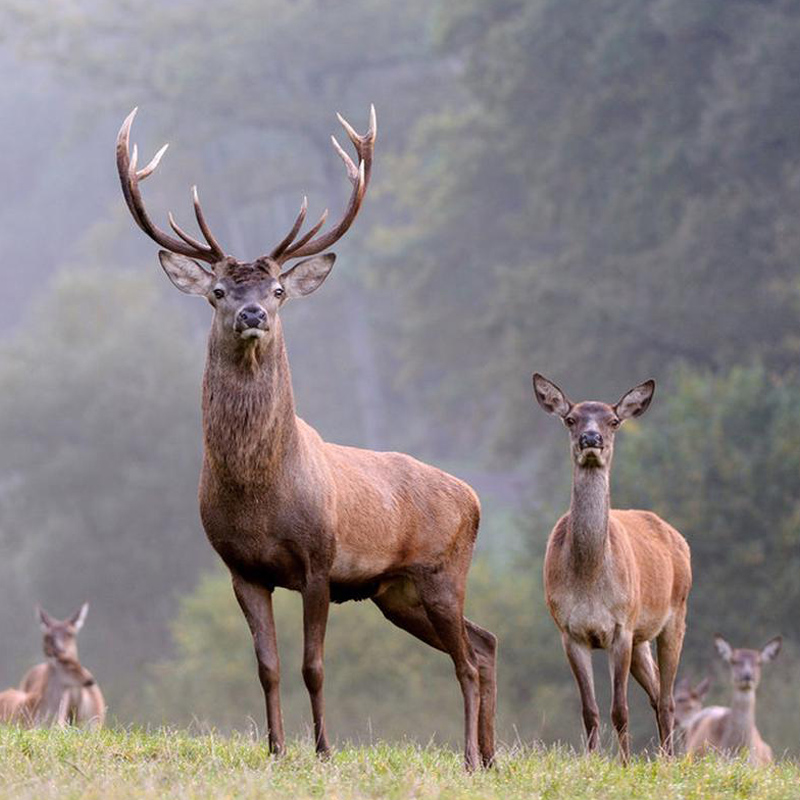
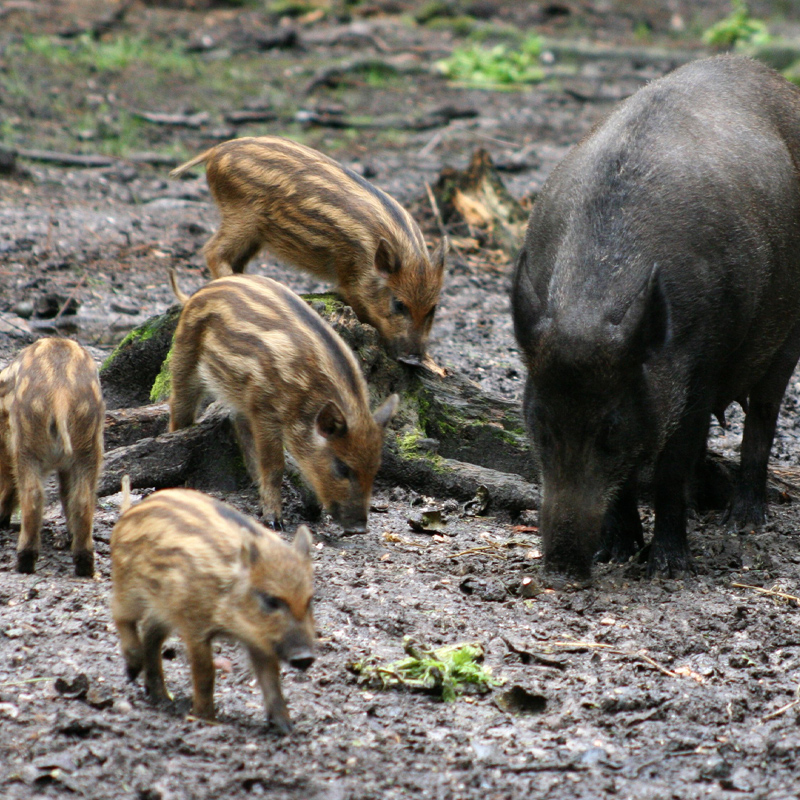
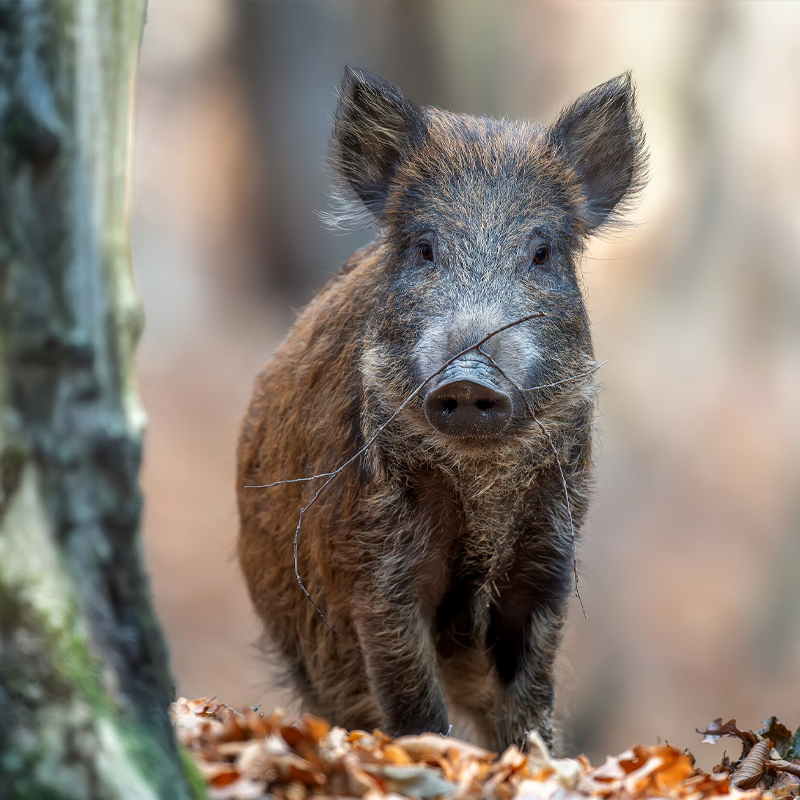
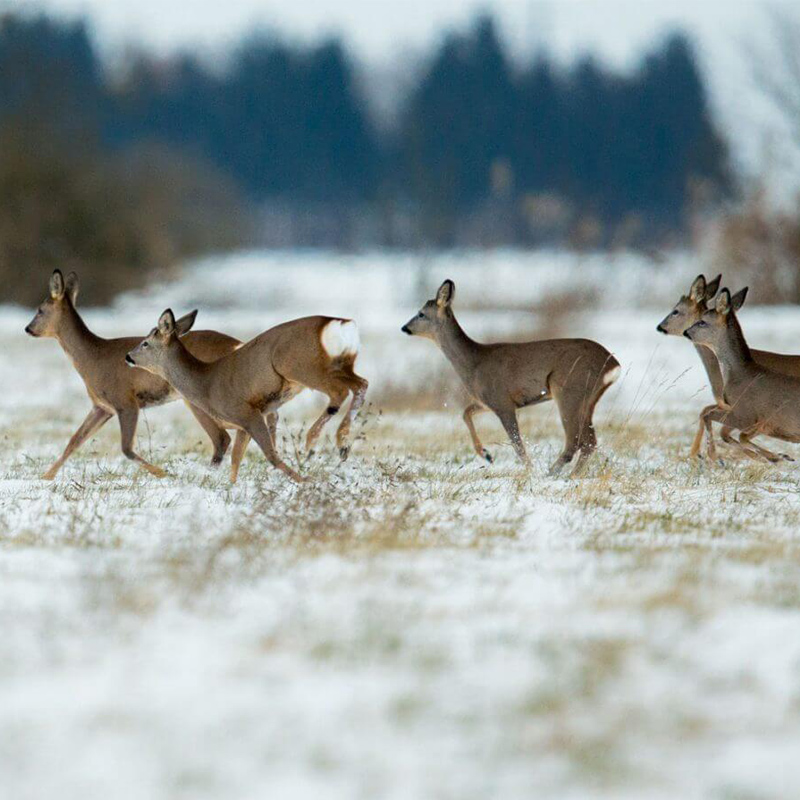
The objective is to assess the effectiveness of an immunocontraceptive vaccine which, by temporarily blocking the hormonal mechanisms responsible for reproduction in animals, could reduce births and stabilize deer and wild boar populations.
The method
The study will use an immunocontraceptive vaccine to block hormonal activity related to reproduction in animals and temporarily suspend their fertility, with the aim of stabilizing wild boar and deer populations.
The approach
Animals will be captured and anesthetized once in order to be fitted with an ear identification tag and immunized. Booster immunizations may subsequently be administered remotely using a hypodermic dart.
The objective
The study aims to confirm both the effectiveness of the immunocontraceptive vaccine and the feasibility of its long-term use, with the goal of replacing the culling currently carried out to reduce populations of animals considered overabundant or responsible for damage.
Why Geneva?
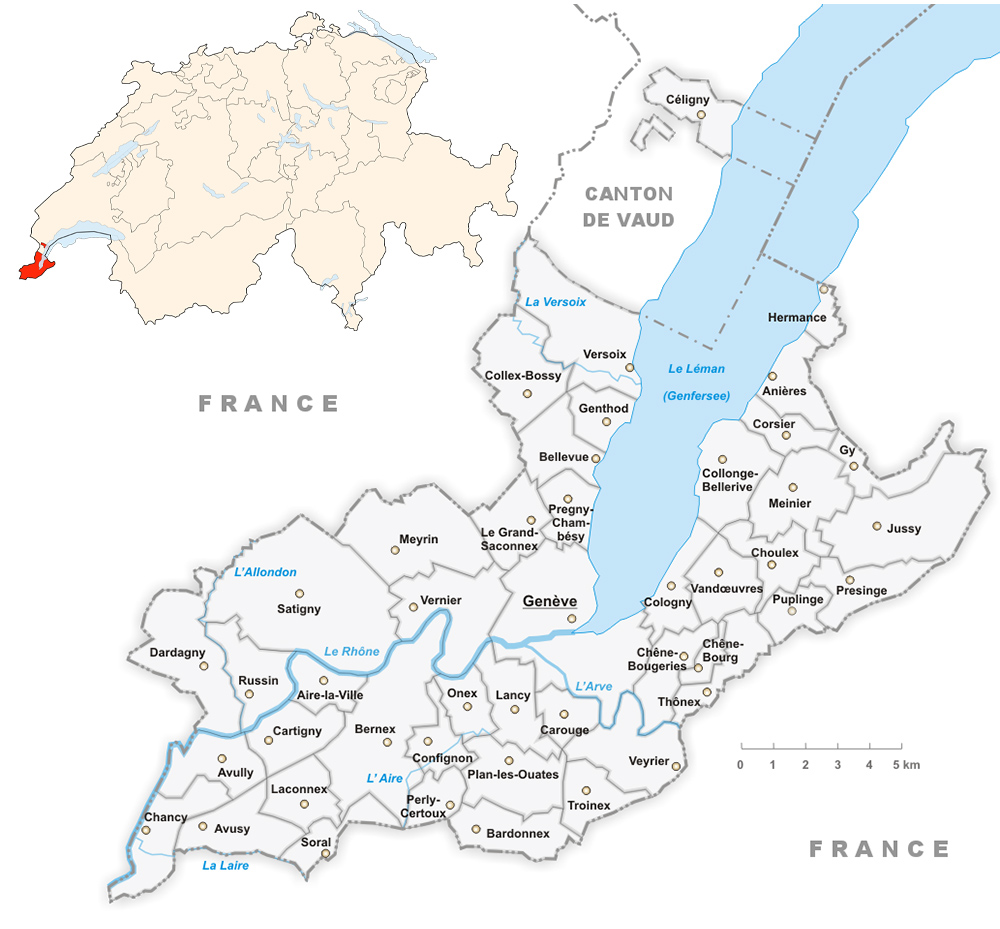
The Canton of Geneva is one of the 26 cantons that make up Switzerland. The Swiss Federal Constitution grants broad autonomy to the cantons.
In 1974, Geneva voters approved by 72% an initiative banning hunting within the canton. Since then, wildlife management has been entrusted to the State of Geneva, and environmental wardens have been authorized to carry out population control culling when animal numbers become excessive or when animals cause damage.
In April 2024, more than 67% of participants in a public survey conducted in the canton supported the implementation of a pilot study to evaluate the effectiveness of immunocontraception for stabilizing wild boar and deer populations as an alternative to culling.
With an area of 282.5 km², including 3,000 hectares of forest, a territory divided by the lake and two major rivers creating clearly defined zones, and strong public support, the Canton of Geneva offers ideal conditions for conducting this pilot study.
If successful, this approach could replace population control culling.

Only by engaging in sociopolitical discourse with stakeholder groups and drawing on knowledge of population-level effects will we discover whether the costs and benefits of wildlife fertility control are sufficiently balanced for contraceptive technology to be seriously considered as a practical wildlife management alternative.

Prof. Giovanna Massei, Europe Director of the Botstiber Institute for Wildlife Fertility Control (BIWFC Europe) and Professor of Human-Wildlife Interactions at the University of York (United Kingdom).
Fertility Control for Wildlife: A European Perspective, 2023.
The Study Team
Tobias Blaha
Doctor of Veterinary Medicine, Bioparc.
Animal anesthesia and vaccine administration

Thibaud Gruber
Associate Professor, PhD
Faculty of Psychology and Educational Sciences, University of Geneva.
Study Director

Luc Fournier
Animal Équité Association. Logistics and fundraising
Would you like to support the study or have a question?
Contact us